
Dietitian Blog | Dec 9 2025
Traumatic brain injury and nutrition: The dietitian’s role in recovery
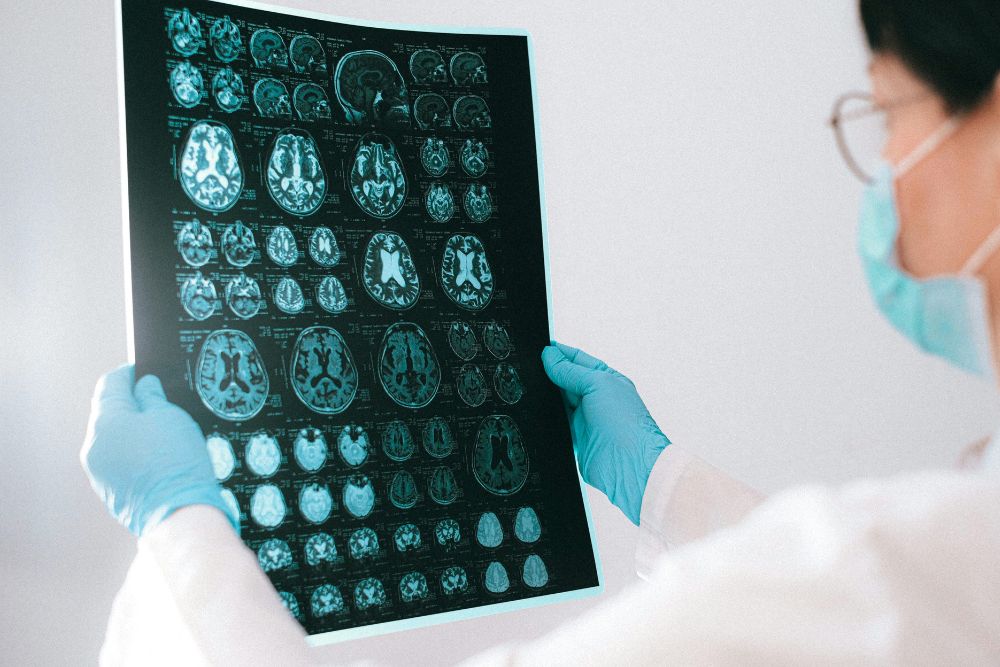
A traumatic brain injury (TBI) is an acquired injury to the brain caused by external mechanical force, such as from a fall, motor vehicle accident, assault, sports injury, or penetrating trauma to the head. This then often results in a temporary or permanent impairment of physical, cognitive, behavioral, and emotional function.
Traumatic brain injuries differ from non-traumatic brain injuries, like stroke, hypoxia, or tumors, as they are specifically related to an external event. The severity of TBI is commonly classified as mild, moderate, or severe.
Examples of criteria used for determining severity:
- Glasgow Coma Scale score (GCS)
- Duration of loss of consciousness or altered mental status
- Neuroimaging findings
TBIs in clinical practice
According to the U.S. Centers for Disease Control and Prevention, there were approximately 214,110 hospitalizations related to TBI in 2020 and over 69,400 TBI-related deaths in 2021 in the United States. These statistics show the significant impact TBI patients have on the healthcare system.
For registered dietitians, the relevance is clear. Patients with TBI can be seen in every healthcare setting, including acute care, long-term care, and rehabilitation facilities, where nutritional needs are often increased or constantly changing. Dietitians are critical members of the healthcare team, leading the way on evaluating nutritional status, determining energy and protein requirements, and integrating individualized nutrition strategies into the interdisciplinary plan of care.

Pathophysiology and nutritional implications
A traumatic brain injury doesn’t just cause immediate damage from the initial impact. It also tends to set off secondary changes in the body, which can include inflammation, higher production of free radicals, and disruption in how the brain and body regulate energy and nutrients.
For patients, this can result in:
- Hypermetabolism: Higher caloric needs due to stress response
- Catabolism: Accelerated protein breakdown leading to loss of lean body mass
- Altered glucose metabolism: Frequent episodes of hyperglycemia, especially in patients on steroids
- Micronutrient depletion: Increased demand for antioxidants and key vitamins/minerals that support healing
All these factors place patients with TBI at high risk for malnutrition. Malnutrition can be linked to complicated outcomes, such as infection, delayed wound healing, longer hospital stays, and inability to participate in rehabilitation.
What are the key nutrition considerations in TBI?
Estimating energy and protein needs after TBI can be challenging due to the body’s variable and often elevated metabolic response.
| Key Consideration | Summary |
|---|---|
| Energy | Increased caloric needs are common in moderate to severe TBI. Indirect calorimetry is preferred; if unavailable, use predictive equations (e.g., Penn State) or weight-based calculations (25–30 kcal/kg/day). |
| Protein | Protein catabolism is high, leading to lean body mass loss. Recommended intake is 1.5–2.5 g/kg/day to support wound healing and immune function. |
| Enteral Nutrition (EN) | Preferred route if the gut is functional. Begin EN within 24–48 hours. 2016 ASPEN Guidelines support immune-modulating formulas. The Brain Trauma Foundation recommends transpyloric EN. |
| Parenteral Nutrition (PN) | Use EN over PN when possible. PN is appropriate when EN is not feasible or insufficient for meeting nutrition needs. |
| Micronutrients | Some nutrients may support recovery after TBI, though more research is needed. Zinc and vitamins D & E show potential benefits. Omega-3s (EPA, DHA) may help cognitive recovery by reducing inflammation. 2016 ASPEN Guidelines suggest EPA/DHA supplementation when using standard EN formulas. |
Additional special nutrition considerations for TBI
In addition to increased energy and protein needs, patients with TBI often have other unique challenges that directly impact nutrition care, such as dysphagia, feeding difficulties, gastrointestinal (GI) complications, difficult blood sugar management, and weight changes. Dysphagia and feeding difficulties may include swallowing impairment that requires texture modification or enteral nutrition.
Interdisciplinary collaboration with speech therapy is a good idea here. GI complications might include constipation from immobility and/or medications. Educating patients about optimizing fiber is key. Blood sugar control is important due to frequent hyperglycemia related to stress and steroid use. Weight changes may present in both the acute and late term phases due to things like undernutrition, decreased mobility, and medication side effects.
Conclusion
Nutrition plays a big role in recovery after traumatic brain injury. Patients with TBI are at high risk for malnutrition, which makes individualized medical nutrition therapy important for positive outcomes. Registered dietitians are an integral part of the healthcare team, as they are the best to assess nutrition needs, initiate timely nutrition support, and adjust the plan of care as needed. By prioritizing nutrition intervention, dietitians help reduce complications, support recovery, and improve quality of life for those living with TBI.
Dietitians On Demand is a nationwide staffing and recruiting company for registered dietitians, specializing in short-term, temporary, and permanent-hire positions in acute care, long-term care, and food service. We’re dedicated to dietitians and helping them enhance their practice and excel in the workplace. Check out our job openings, request your coverage, or visit our store today!
References:
Lee HY, Oh BM. Nutrition Management in Patients with Traumatic Brain Injury: A Narrative Review. Brain Neurorehabil. 2022;15(1)e4. https://doi.org/10.12786/bn.2022.15.e4
Kurtz P, Rocha EEM. Nutrition Therapy, Glucose Control, and Brain Metabolism in Traumatic Brain Injury: A Multimodal Monitoring Approach. Front Neurosci.2020;14(190). https://doi.org/10.3389/fnins.2020.00190
Erdman J, Oria M, Pillsbury L. Nutrition and Traumatic Brain Injury: Improving Acute and Subacute Health Outcomes in Military Personnel. National Academies Press; 2011. Accessed on 9/20/25. https://www.ncbi.nlm.nih.gov/books/NBK209324/.
TBI Data. U.S. Centers for Disease Control and Prevention website. Updated October 29, 2024. Accessed on 9/20/25. https://www.cdc.gov/traumatic-brain-injury/data-research/index.html.
Groat NB, Dobak S, Bruden M, Hoang CV. Neurological Injuries and Diseases. ASPEN Adult Nutrition Support Core Curriculum. 4th ed. ASPEN; 2025: 649-675.
McClave SA, Taylor BE, Martindale RG, et al. Guidelines for the Provision and Assessment of Nutrition Support Therapy in the Adult Critically Ill Patient: Society of Critical Care Medicine (SCCM) and American Society for Parenteral and Enteral Nutrition (A.S.P.E.N.). J Parenter Enter Nutr. 2016;40(2):159-211.

About Sarah Hammaker
Sarah Hammaker, RD, LDN, is a registered dietitian with more than 20 years of experience in clinical nutrition and private practice. She currently owns a private practice, where she provides individualized nutrition counseling focused on sustainable, realistic lifestyle change. Sarah specializes in women’s health, midlife nutrition, and chronic disease management, with a strong emphasis on translating evidence-based research into practical strategies for everyday life. Additionally, she is passionate about supporting fellow dietitians in strengthening both their clinical knowledge and counseling skills.
Who we are
Dietitians On Demand is the nationwide leader in providing dietitians with jobs they love. If flexibility, competitive pay, a full benefits package, free CPEUs each month and a team dedicated to dietitians sound good to you, apply to our positions today.


