
Dietitian Blog | Sep 14 2026
Stevens-Johnson syndrome and toxic epidermal necrolysis: A nutrition-focused overview
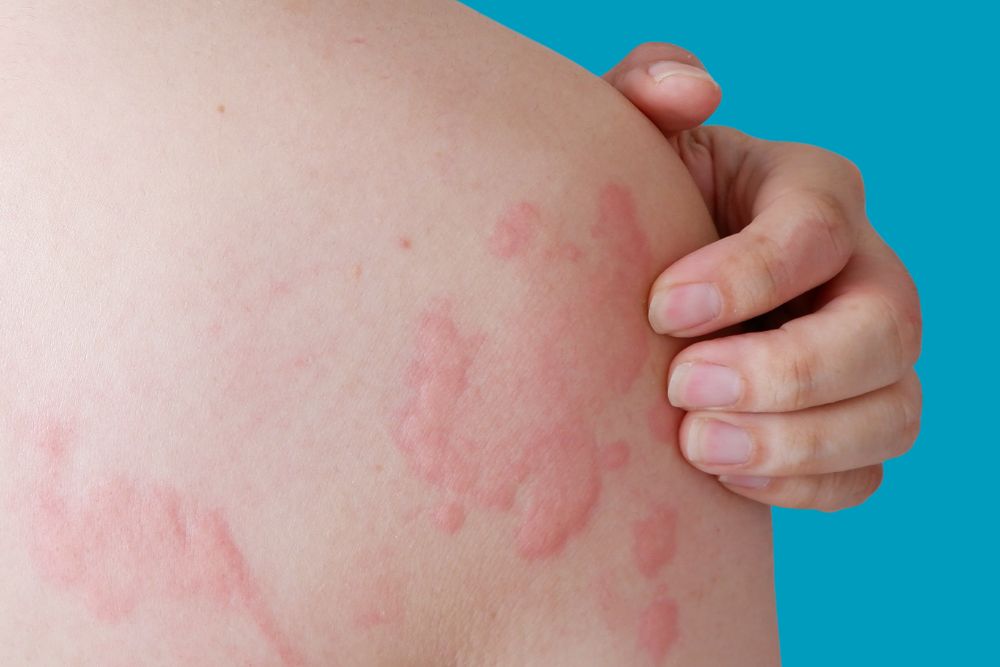
Stevens-Johnson syndrome (SJS) is a rare condition that has high nutritional needs and usually requires intensive care. The condition is an immunological response that results in skin sloughing or epidermal detachment, which is commonly compared to a second-degree burn. This similarity leads to most cases being addressed in a burn intensive care unit (ICU) or in an ICU with a burn surgeon consulting on an individual’s care. Incidence is very low and varies largely based on age.
So, why should dietitians be aware of such a rare condition? The reason is that dietitians play a huge role in the care of these patients. In Stevens-Johnson syndrome, dietitians’ recommendations and interventions help ensure patients meet their nutritional needs and support healing; they also help surmount unique barriers in meeting nutrition goals.
Are Stevens-Johnson syndrome and toxic epidermal necrolysis the same?
SJS and toxic epidermal necrolysis (TEN) have the same pathophysiology but differ in the total body surface area (TBSA) affected. SJS occurs when less than 10% TBSA is affected by skin detachment, whereas TEN occurs when skin detachment reaches greater than 30% of TBSA. SJS and TEN overlap in the range of 10 to 30% TBSA. The TBSA of skin detachment may change throughout the length of stay given the progressive state of the condition. The acute phase typically lasts 7-9 days from initial onset of symptoms. Once the acute phase is complete, the skin barrier can reform over the next 7-21 days.
Who is at increased risk for Stevens-Johnson syndrome or toxic epidermal necrolysis?
SJS/TEN is commonly a reaction to medication. However, in adults, at least 15% of cases are idiopathic. While research has helped identify high-risk medications, there are also non-drug-related risk factors, such as certain human leukocyte antigen haplotypes in association with certain drugs (i.e., allopurinol or carbamazepine).
Other conditions known to be risk factors for SJS/TEN include human immunodeficiency virus (HIV), connective tissue disease, and malignancy. Additionally, SJS/TEN has been identified more commonly in females and older adults.
In drug-induced cases, symptoms usually develop 4 to 28 days after medication is started. About one third of cases have general symptoms, such as fever, malaise, sore throat, and cough, prior to skin reaction.

Specific characteristics of Stevens-Johnson syndrome or toxic epidermal necrolysis
Characteristics of SJS/TEN most notably include the cutaneous and mucosal involvement that develops rapidly, including manifestations such as erythematous coalescing macules, atypical targetoid lesions, tense bullae, blisters, and epidermal detachment. The epidermal detachment leaves the dermis exposed, which is likened to a second-degree burn.
One key characteristic that separates SJS/TEN from other skin conditions is the presence of oligoclonal cytotoxic CD8+ T-cell infiltrate in affected tissue. The activated CD8+ T cells prompt an immunologic response, leading to apoptosis and necroptosis of epidermal keratinocytes.
Both apoptosis and necroptosis play a role in skin cell death that leads to the sloughing of the skin, a hallmark characteristic of SJS/TEN. Keratinocyte apoptosis is programmed cell death, including the shedding of the skin. Keratinocyte necroptosis is regulated cell death due to inflammation, which releases damage-associated molecular patterns.
Stevens-Johnson syndrome vs. toxic epidermal necrolysis prognoses
While the hospitalization rate for SJS/TEN decreased substantially between 2010 and 2020, morbidity and mortality remain a great concern. The mortality rate for SJS is 5.4%, whereas the mortality rates for SJS-TEN overlap and TEN are 14.4% and 15.3%, respectively.
Recurrence is rare. Recurrence occurs more frequently in pediatrics, which is thought to be due to the cause of SJS/TEN in children being more infection-based or idiopathic.
Estimated needs
Calories
The question every clinical dietitian cares about: How does one assess needs in this condition? Many turn to burn protocol recommendations to treat cases. As mentioned above, the SJS/TEN wounds are compared to second-degree burns in that the dermis is exposed, and multiple layers of skin need to be rebuilt.
Indirect calorimetry is the gold standard for determining energy needs. However, due to limited availability of indirect calorimetry in clinical practice, it is important for dietitians to understand how weight-based estimates and predictive equations may be interpreted in these conditions. Keep in mind that other conditions and treatments, such as continuous renal replacement therapy or sepsis, may impact caloric needs as well.
Most SJS/TEN cases require ICU-level care. The general recommendation for estimating calorie needs in the first week of ICU stay is 12-25 kcal/kg, as per the most recent 2021 ASPEN guidelines for critically ill adults. The “U.K. guidelines for the management of Stevens–Johnson syndrome/toxic epidermal necrolysis in adults 2016” recommend up to 20-25 kcal/kg in the early phase and then later in the recovery phase an increase to 25-30 kcal/kg.
A 2023 article in Clinical Nutrition included data about a subset of the study population with toxidermia that was able to utilize indirect calorimetry. Of these eleven adult patients, they were able to compare their total measured energy expenditure with energy delivery on the same day, as well as calculate their weight-based energy expenditure. Interestingly, week 1 data showed an average of 25.5 kcal/kg, and the highest energy expenditure was identified in week 3 with 33.6 kcal/kg. Note that the average BMI of included patients was 23.4 kg/m2.
The Harris-Benedict equation is a common approach to calculating the calorie needs of burn patients, as it takes into account TBSA. Some clinicians may choose to utilize this approach due to limited research in SJS/TEN. However, a study focused on pediatric patients from 2008 showed that patients with SJS/TEN require about 22% fewer calories compared to patients with burns. This led the researchers to the development of a predictive equation specific to pediatric patients with SJS/TEN.
Protein
Calories are crucial, but they are not the only piece to optimizing nutrition. Protein needs are likely to be increased from the individual’s baseline. There is limited evidence on specific protein needs for SJS, but protein is an essential building block for tissue regeneration. While these patients are in critical condition, the ASPEN guidelines are a fair benchmark for estimating protein needs for patients. The ASPEN guidelines from 2021 recommend 1.2-2 g/kg. This allows clinical judgment to factor in the patient’s other critically ill conditions and comorbidities.
Fluid
While SJS/TEN estimated needs are often compared with burn nutrition care, fluid requirements are not as high, as SJS/TEN has a different pathophysiology. A study published in 2010 in the Journal of Burn Care and Research found that 2 mL/kg/% TBSA is a good reference for acute fluid provision. Note that this is managed by the medical providers. When nutrition support is initiated, it’s important for dietitians to communicate total fluid (and/or free water) provision to the interdisciplinary team for monitoring hydration and overall fluid management.
Micronutrients
While micronutrients are known to be essential in wound healing, there is limited research focused on micronutrients in SJS/TEN. The 2023 study from Clinical Nutrition highlighted the importance of monitoring blood serum levels of selenium, copper, and zinc. These minerals were utilized in the facility’s burn protocol. For accurate monitoring and interpretation, it’s important to remember that zinc and selenium are negative acute-phase reactants, whereas copper is a positive acute-phase reactant. A case study from 2020 BMJ Case Reports utilized Vitamin C and thiamine in their treatment of SJS-TEN overlap; however, further research is warranted to garner specific recommendations with these micronutrients.
Impacts on the nutrition care plan
SJS/TEN greatly influences the dietitian’s assessment and recommended interventions. For example, due to skin detachment, a visual nutrition-focused physical exam (NFPE) may be all that is possible, rather than using palpation, to avoid aggravating the patient’s skin barrier. With these increased needs and critical conditions, the mechanism of feeding an SJS/TEN patient may also be different.
Eating by mouth is always the first-line approach, but meeting needs takes priority. Many patients (usually > 50%) will need enteral nutrition (EN) to meet their calorie and protein goals. The patient may require other interventions, such as mechanical ventilation, that indicate a need for EN. There are also times when parenteral nutrition (PN) may be necessary, as the sole source of nutrition or supplemental to EN.
Due to the possible mucosal involvement, the gastrointestinal (GI) tract could suffer from effects of the condition. These effects range from oro/nasopharyngeal blistering to inflammation throughout the GI tract. In a case report published in Clinical and Experimental Gastroenterology in 2020, a pediatric patient presented with blisters and skin sloughing at admission. Within the week, he had an upper endoscopy and sigmoidoscopy that showed sloughing of the mucosal lining within the GI tract, including pan-esophageal inflammation, severe duodenitis, and severe colitis. In this case report, the patient required PN (in addition to trophic EN) to meet his nutritional needs before ultimately returning to an oral diet.
Lastly, a clear understanding of TBSA will benefit dietitians involved in the care of patients with SJS/TEN. This may require clarification from the physicians and/or nurses following for wound care regarding their estimates of TBSA, specifically whether the percentage reflects total skin involvement (such as rashes and blisters) or solely the percentage of epidermal detachment. This differentiation may prove important in making the most informed decisions regarding estimated needs or feeding strategies.
In summary
Research is generally limited about SJS/TEN, as it is a rare immunological condition. They are unique conditions, both in their causes and their treatment. Regardless, nutrition plays a key role in recovery. With available evidence and clinical judgment, dietitians can discern the best recommendations for optimizing nutrition in patients with SJS/TEN.
Dietitians On Demand is a nationwide staffing and recruiting company for registered dietitians, specializing in short-term, temporary, and permanent-hire positions in acute care, long-term care, and food service. We’re dedicated to dietitians and helping them enhance their practice and excel in the workplace. Check out our job openings, request your coverage, or visit our store today!
References:
Justice J, Mukherjee E, Martin-Pozo M, Phillips E. Updates in the pathogenesis of SJS/TEN. Allergol Int. 2025;74(3):361-371. doi: 10.1016/j.alit.2025.05.002
Lee HY. Stevens-Johnson syndrome and toxic epidermal necrolysis: Pathogenesis, clinical manifestations, and diagnosis. UpToDate website. Updated July 31, 2026. Accessed August 11, 2026. https://www.uptodate.com/contents/stevens-johnson-syndrome-and-toxic-epidermal-necrolysis-pathogenesis-clinical-manifestations-and-diagnosis#H2724867703
Lee HY. Stevens-Johnson syndrome and toxic epidermal necrolysis: Management, prognosis, and long-term sequelae. UpToDate website. Updated March 26, 2026. Accessed August 11,2026.https://www.uptodate.com/contents/stevens-johnson-syndrome-and-toxic-epidermal-necrolysis-management-prognosis-and-long-term-sequelae
Compher C, Bingham AL, McCall M, et al. Guidelines for the provision of nutrition support therapy in the adult critically ill patient: The American Society for Parenteral and Enteral Nutrition. J Parenter Enter Nutr. 2022;46(1):12-41. doi: 10.1002/jpen.2267
Shiga S, Cartotto R. What are the fluid requirements in toxic epidermal necrolysis? J Burn Care Res. 2010;31(1):100-104. doi: 10.1097/BCR.0b013e3181cb8cb8
Creamer D, Walsh SA, Dziewulski WP, et al. U.K. guidelines for the management of Stevens–Johnson syndrome/toxic epidermal necrolysis in adults 2016. Br J Dermatol. 2016;174(6):1194-1227. doi: 10.1111/bjd.14530
Mayes T, Gottschlich M, Khoury J, Warner P, Kagan R. Energy requirements of pediatric patients with Stevens‐Johnson syndrome and toxic epidermal necrolysis. Nutr Clin Pract. 2008;23(5):547-550. doi: 10.1177/0884533608323434
Fernando SL. The management of toxic epidermal necrolysis. Australas J Dermatol. 2012;53:165-171. doi: 10.1111/j.1440-0960.2011.00862.x
Bechek S, Garcia M, Chiou H. Severe gastrointestinal involvement in pediatric Stevens-Johnson syndrome: A case report and review of the literature. Clin Exp Gastroenterol. 2020;13:377-383. doi: 10.2147/CEG.S269349
Karakus M, Pantet O, Charrière M, Favre D, Gaide O, Berger MM. Nutritional and metabolic characteristics of critically ill patients admitted for severe toxidermia. Clin Nutr. 2023;42(6):859-868. doi: 10.1016/j.clnu.2023.04.006
Middendorf MM, Busaileh AZ, Babakhani A, Marik PE. Stevens-Johnson syndrome/toxic epidermal necrolysis: treatment with low-dose corticosteroids, vitamin C and thiamine. BMJ Case Rep. 2019;12(11):e230538. doi: 10.1136/bcr-2019-230538

About Sarah Hicks and Kristen Herceg
Sarah Hicks, MS, is a dietetic intern at VCU Health with her Master of Science in Nutrition and Dietetics from Meredith College. Throughout her internship, she has most enjoyed her critical care and nutrition support rotations. In her free time, Sarah likes to figure skate, paint, and line dance.
Kristen Herceg, MS, RD, LD, CNSC, has been a dietitian for over ten years. Before joining the Dietitians On Demand team as the Clinical Education Manager, most of her experience was in a large academic hospital focused on nutrition support and critical care. Additionally, she has worked in long-term care, behavioral health, and inpatient rehabilitation. Throughout her career, she has most enjoyed implementing evidence-based practice, as well as teaching and precepting. Outside of work, Kristen loves to travel, read, and hike.
Who we are
Dietitians On Demand is the nationwide leader in providing dietitians with jobs they love. If flexibility, competitive pay, a full benefits package, free CPEUs each month and a team dedicated to dietitians sound good to you, apply to our positions today.


