
Dietitian Blog, MNT Guidelines | Jan 12 2026
Nutrition considerations in spinal cord injury: A clinical overview for dietitians
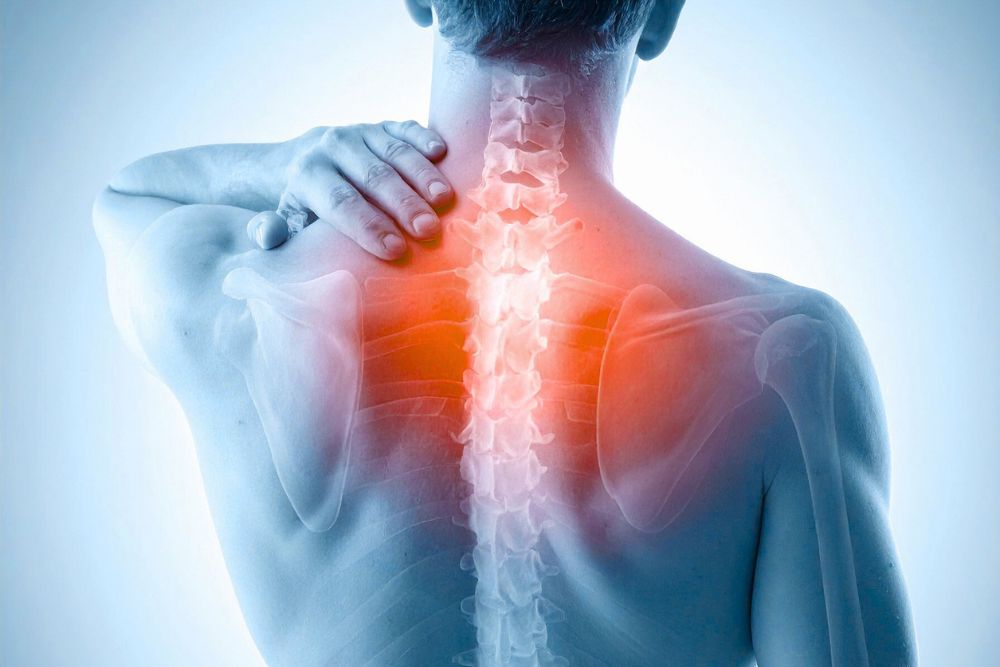
Spinal cord injury (SCI) presents lifelong challenges that extend far beyond mobility. Altered metabolism, body composition shifts, and unique gastrointestinal and cardiovascular complications all influence nutrition care. While general dietary guidelines can offer a foundation, SCI-specific adaptations are essential for effective nutrition therapy. Understanding these SCI-specific considerations helps dietitians better support these individuals in achieving optimal health.
How are spinal cord injuries classified?
Before exploring nutrition considerations for SCIs, it is important to understand how these injuries are classified. Clinicians use the International Standards for Neurological Classification of Spinal Cord Injury (ISNCSCI), also known as the ASIA exam, to assess both the neurological level and severity of injury.
For registered dietitians, this information provides critical context for anticipating changes in energy expenditure, muscle mass, and independence with feeding or food preparation. Regular reassessment—at acute care, rehab discharge, and one-year post-injury—helps ensure that nutrition strategies remain aligned with the individual’s evolving needs.
The ASIA exam focuses on two key factors:
- Neurological level of injury – the lowest segment of the spinal cord where sensation and muscle function remain normal.
- Severity of injury (ASIA Impairment Scale) – graded A through E.
-
- A: Complete injury. No motor or sensory function around the lowest part of the spinal cord (the anal region).
- B: Sensory incomplete. Some sensation preserved, but little to no motor control.
- C: Motor incomplete. Some muscle movement is preserved, but not strong enough to move against gravity.
- D: Motor incomplete, but muscles are strong enough to lift against gravity.
- E: Normal sensation and motor function.
For example, an injury described as ‘C6 ASIA C’ means that sensation and movement are intact from the neck down through the sixth cervical segment. Below C6 (starting at C7), impairments are present. The grade ‘C’ indicates that some motor function remains below the level of injury, but it is weak.

How are body composition and energy needs affected?
Spinal cord injury triggers significant alterations in body composition and metabolism: lean muscle and bone loss intensify, while fat mass tends to increase. These changes, along with disruptions in hormonal regulation, contribute to a decline in resting energy expenditure. As a result, dietitians must use adapted methods rather than standard tools when assessing weight status and calculating energy needs.
- Body Mass Index (BMI) limitations: Traditional BMI cutoffs often underestimate obesity risk after SCI due to reduced lean mass. Unfortunately, there are very few validated studies for obesity measures in those with SCI. Some research has proposed using a SCI-adjusted BMI classification of obesity at a lower cutoff (≥ 22 kg/m²). Clinicians can use waist circumference and/or dual-energy X-ray absorptiometry as a risk measure; however, they are not always practical or available in clinical care.
- Ideal Body Weight (IBW) adjustments: IBW is not a reliable measure of body composition in either research or clinical practice and has not been used in the limited validation studies of obesity in the SCI population. While there are no universally accepted guidelines for adjusting IBW in individuals with SCI, the Academy of Nutrition and Dietetics’ 2009 Spinal Cord Injury Evidence-Based Nutrition Practice Guidelines recommend reducing IBW by 5–10% for paraplegia and 10–15% for tetraplegia when using it to estimate energy or protein needs.
- Energy needs: Indirect calorimetry is the gold standard for estimating caloric needs, but it is not widely available. Due to reduced metabolically active tissue, sympathetic dysfunction, and hormonal changes, individuals with SCI generally require at least 10% fewer calories than non-disabled peers. Recommended calculation methods differ between the acute and chronic phases of injury. The following recommendations are from the Academy of Nutrition and Dietetics SCI Evidence-Based Nutrition Practice Guideline.
- Acute phase: Harris-Benedict formula with actual body weight, an injury factor of 1.2, and an activity factor of 1.1
- Rehabilitation/chronic phase:
- Paraplegia: 27.9 kcal/kg/day
- Tetraplegia: 22.7 kcal/kg/day
Macronutrient and micronutrient needs for spinal cord injury
Careful diet planning is essential after spinal cord injury to prevent overfeeding and weight gain, which can compromise independence and overall quality of life. Nutritional intake should provide adequate nutrients to support muscle preservation, metabolic health, and recovery throughout both the acute and chronic phases.
- Protein: If increasing protein, remain mindful of overall caloric intake to prevent overfeeding and unintentional weight gain. The following recommendations are from the Academy of Nutrition and Dietetics SCI Evidence-Based Nutrition Practice Guideline.
- Acute phase: 2.0 g/kg of IBW is advised in the acute phase to lessen the negative nitrogen balance that occurs during this phase.
- Chronic phase: 0.8–1.0 g/kg of body weight is recommended to support maintenance, in the absence of pressure injuries, wounds, or infection.
- Carbohydrate: Prioritization of complex carbohydrates is important to support blood glucose control, enhance micronutrient intake, promote satiety, and increase dietary fiber. While the current Dietary Guidelines for Americans (DGA) recommend 22–34 grams of fiber per day, this level may cause gastrointestinal discomfort or worsen neurogenic bowel in individuals with SCI. The Academy of Nutrition and Dietetics SCI Evidence-Based Nutrition Practice Guideline suggests beginning with approximately 15 grams of fiber per day and gradually increasing up to 30 grams as tolerated.
- Fat: Excess fat intake can drive weight gain and increase cardiometabolic risk. The DGA recommends keeping total fat intake between 20% and 35% of total calories. While the DGA suggests limiting saturated fat to 10%, the American Heart Association suggests saturated fat intake under 6%, and the Paralyzed Veterans of America (PVA) guidelines recommend an even lower intake of 5-6%. Focus on replacing saturated fats with unsaturated sources to help reduce cardiovascular disease risk in individuals with SCI.
- Fluid: Fluid needs are a critical consideration for individuals with SCI due to altered bladder function, reduced mobility, and changes in metabolism. Adequate hydration supports bowel regularity, kidney function, skin integrity, and overall metabolic health. For individuals with neurogenic bowel, consider the following fluid need recommendations.
- 1 mL/kcal + 500 mL or 40 mL/kg + 500 mL
- Minimum 1,500 mL per day
- Micronutrient priorities: Micronutrient needs generally mirror those of the general population, with the exception of the presence of deficiencies or considerations for bone health or wounds in those with SCI. Emphasis should be placed on a healthy dietary pattern rather than relying on supplementation to decrease the risk of toxicity.
- Calcium and vitamin D: There is an increased prevalence of osteoporosis in individuals with SCI, making adequate calcium and vitamin D intake especially important. Recommendations include 1,000–1,200 mg of calcium and 1,000–2,000 IU of vitamin D daily to support bone health and reduce fracture risk. Serum levels should be monitored to guide individualized adjustments.
- Sodium: Limit intake to less than 2,400 mg/day, particularly for those with hypertension.
- Zinc and antioxidants: May be beneficial during wound healing, but routine supplementation is not recommended unless a deficiency is identified.
Complication-specific nutrition strategies
- Neurogenic bowel: Reduced gut motility and diminished sensation often lead to constipation, impaction, and incontinence. It’s important to carefully balance fiber and adequate fluid intake. Tracking food, fluid, and bowel habits can help patients identify triggers, such as gas-producing foods or medication effects.
- Neurogenic bladder: Bladder dysfunction raises the risk of urinary tract infections. Adequate hydration is essential, though many individuals restrict fluids to avoid leaks. Caffeine, alcohol, and carbonation may worsen irritation, so it is important to raise awareness of this during nutrition counseling. Evidence for cranberry juice, cranberry extract, or probiotics is weak in SCI, so these should not be routinely recommended.
- Osteoporosis: Osteoporosis affects approximately 75% of individuals with SCI, compared to about 18% in the general population. Bone loss occurs rapidly after injury, making it essential to ensure adequate intake of calcium and vitamin D, and, when appropriate, consider pharmacologic interventions under a physician’s guidance. Nutrition education plays a key role in promoting a diet rich in calcium, vitamin D, and phosphorus to support bone health, reduce fracture risk, and help prevent metabolic complications in this population.
- Pressure injuries: After spinal cord injury, the skin becomes highly susceptible to breakdown, with 20–50% of patients developing at least one pressure injury during acute hospitalization. Prevention strategies include pressure relief, specialized equipment, and nutrition that supports skin integrity and lean mass preservation. For treatment, protein intake of 1.25–1.5 g/kg is generally recommended to promote healing (though this needs to be individualized), alongside nutrients such as arginine, antioxidants, vitamin C, and zinc (if deficient). Careful attention to overall diet composition and caloric intake is essential to avoid overfeeding, which can negatively affect body composition.
- Cardiovascular disease risk: Neurogenic obesity, a condition arising from loss of neural control over metabolism and muscle activity, leads to increased fat mass and altered body composition after SCI. Rapid bone and muscle loss occurs post-injury, with bone mineral density at the hip and knee declining 2–4% per month (up to 20% in the first year) and muscle atrophy reaching as much as 60% of total lean mass. As activity levels decrease and metabolism slows, fat mass typically rises between 2–7 months post-injury, increasing cardiometabolic risk. Psychological factors, including depression or adjustment disorder, can further affect appetite and eating patterns, making mental health support essential. Nutrition education is critical during this phase to promote metabolic stability, prevent excess fat gain, and support overall health. Heart-healthy dietary patterns (such as the DASH or Mediterranean diet) are recommended, emphasizing nutrient-dense foods, reduced sodium intake, and limited saturated fats. Adapted physical activity also plays a key role, with a goal of 150 minutes per week or, at a minimum, avoiding prolonged periods of inactivity.
Practical tools for daily living
Nutrition isn’t just about following guidelines; it’s also about making them practical and achievable for the patient. During rehabilitation, occupational therapists often help identify individual needs, but as dietitians, it’s important to understand these adaptations to support patients’ independence in the kitchen.
Adaptive tools can make cooking and hydration easier, including:
- Water bladder-style hydration systems for wheelchairs
- Wide-handle or foam-grip utensils
- Non-slip cutting boards and palm-friendly peelers
- Lap trays or kitchen trolleys for transporting food safely
A dietitian’s role with spinal cord injury
Working with patients/clients with a spinal cord injury means adapting nutrition interventions to fit their individual needs and abilities. Focusing on diet composition, bone and muscle health, and preventing complications like neurogenic obesity or pressure injuries can make a real difference in their outcomes and independence. Simple, practical strategies, combined with collaboration and evidence-based guidance, help registered dietitians provide nutrition care that truly supports their recovery and daily life.
Dietitians On Demand is a nationwide staffing and recruiting company for registered dietitians, specializing in short-term, temporary, and permanent-hire positions in acute care, long-term care, and food service. We’re dedicated to dietitians and helping them enhance their practice and excel in the workplace. Check out our job openings, request your coverage, or visit our store today!
References:
New: Adult ISNCSCI brochure. American Spinal Injury Association. (December 2, 2022). Accessed January 6, 2026. https://asia-spinalinjury.org/new-adult-isncsci-brochure/
Farkas GJ, Sneij A, McMillan DW, Tiozzo E, Nash MS, Gater DR Jr. Energy expenditure and nutrient intake after spinal cord injury: a comprehensive review and practical recommendations. Br J Nutr. 2022 Sep 14;128(5):873-887. https://doi.org/10.1017/S0007114521003822
Silveira, S. L., Ledoux, T. A., Robinson-Whelen, S., Stough, R., & Nosek, M. A. (2017). Methods for classifying obesity in Spinal Cord Injury: A Review. Spinal Cord, 55(9), 812–817. https://doi.org/10.1038/sc.2017.79
Consortium for Spinal Cord Medicine. Clinical Practice Guidelines: Nutrition and SCI. Paralyzed Veterans of America; 2021.
Academy of Nutrition and Dietetics Evidence Analysis Library. “Spinal Cord Injury (2009) Evidence-Based Nutrition Practice Guideline”. Accessed October 6, 2025. https://www.andeal.org/vault/pq88.pdf
Saturated Fat. www.heart.org. (August 23, 2024). Accessed January 6, 2026. https://www.heart.org/en/healthy-living/healthy-eating/eat-smart/fats/saturated-fats#:~:text=There’s%20a%20lot%20of%20conflicting,based%20foods%20and%20tropical%20oils.
Vecin NM, Gater DR. Pressure Injuries and Management after Spinal Cord Injury. J Pers Med. 2022 Jul 12;12(7):1130. https://doi.org/10.3390/jpm12071130
Williams, G., Hahn, D., Stephens, J. H., Craig, J. C., & Hodson, E. M. (2023). Cranberries for preventing urinary tract infections. Cochrane Database of Systematic Reviews, 2023(4). https://doi.org/10.1002/14651858.cd001321.pub6
Sneij, A., Farkas, G. J., Carino Mason, M. R., & Gater, D. R. (2022). Nutrition education to reduce metabolic dysfunction for spinal cord injury: A module-based nutrition education guide for Healthcare Providers and Consumers. Journal of Personalized Medicine, 12(12), 2022. https://doi.org/10.3390/jpm12122029

About Kim Meeuwsen
Kim Meeuwsen, RDN, LDN, CSOWM is a registered dietitian and Certified Specialist in Obesity and Weight Management from West Michigan. Kim has over 10 years of experience providing nutrition care to both inpatients and outpatients in acute care and rehabilitation settings. Her experience is diverse, counseling families and patients with various disease states across the lifespan. Kim’s passion is promoting and teaching health optimization with food first.
Who we are
Dietitians On Demand is the nationwide leader in providing dietitians with jobs they love. If flexibility, competitive pay, a full benefits package, free CPEUs each month and a team dedicated to dietitians sound good to you, apply to our positions today.


